MESOPOTAMIA
The Royal Game of Ur
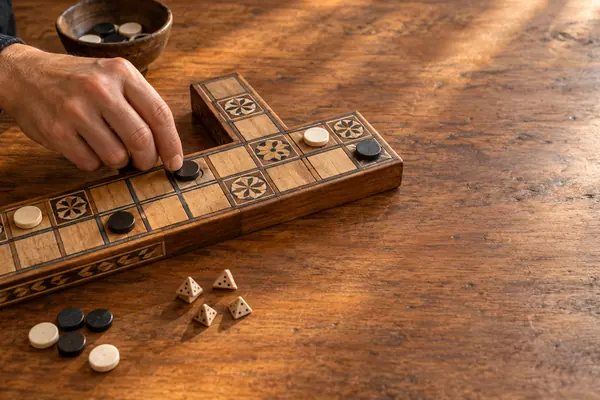
Boards from the royal tombs at Ur date to around 2600 BC. More than 100 boards of this family have been found from Iraq to Crete.
Compare the games soundboardgames.
A SHORT HISTORY OF PLAY
People have raced counters across boards for thousands of years.
Egyptian Senet, the Royal Game of Ur from Mesopotamia and the medieval favourite Nine Men's Morris all survive as boards, pieces and the odd scrap of rules. Here is what museums and game historians can tell us.
Compare the games Read the short answer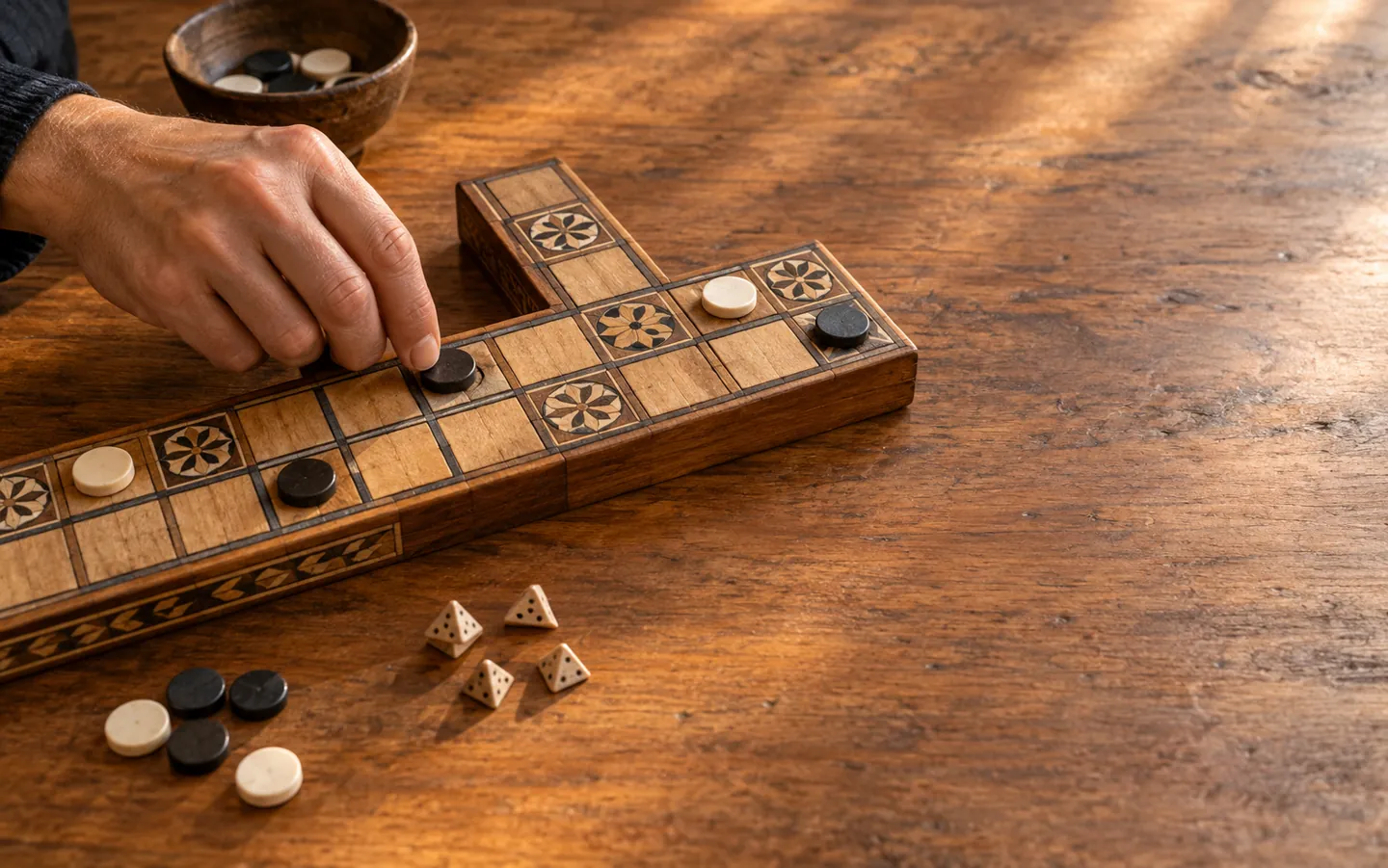
THE SHORT ANSWER
The oldest games were mostly race games.
Strategy games like morris came to Europe later.
MESOPOTAMIA
Boards from the royal tombs at Ur date to around 2600 BC. More than 100 boards of this family have been found from Iraq to Crete.
Compare the gamesEGYPT
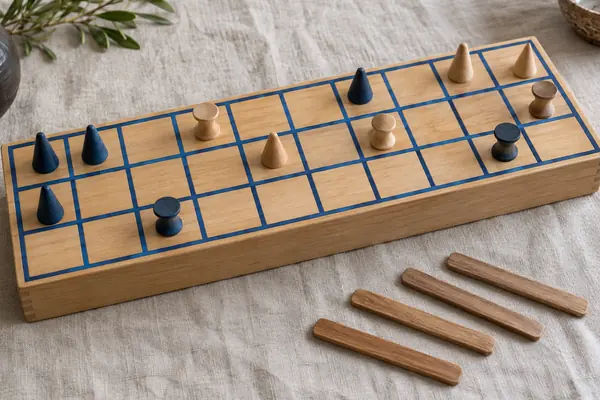
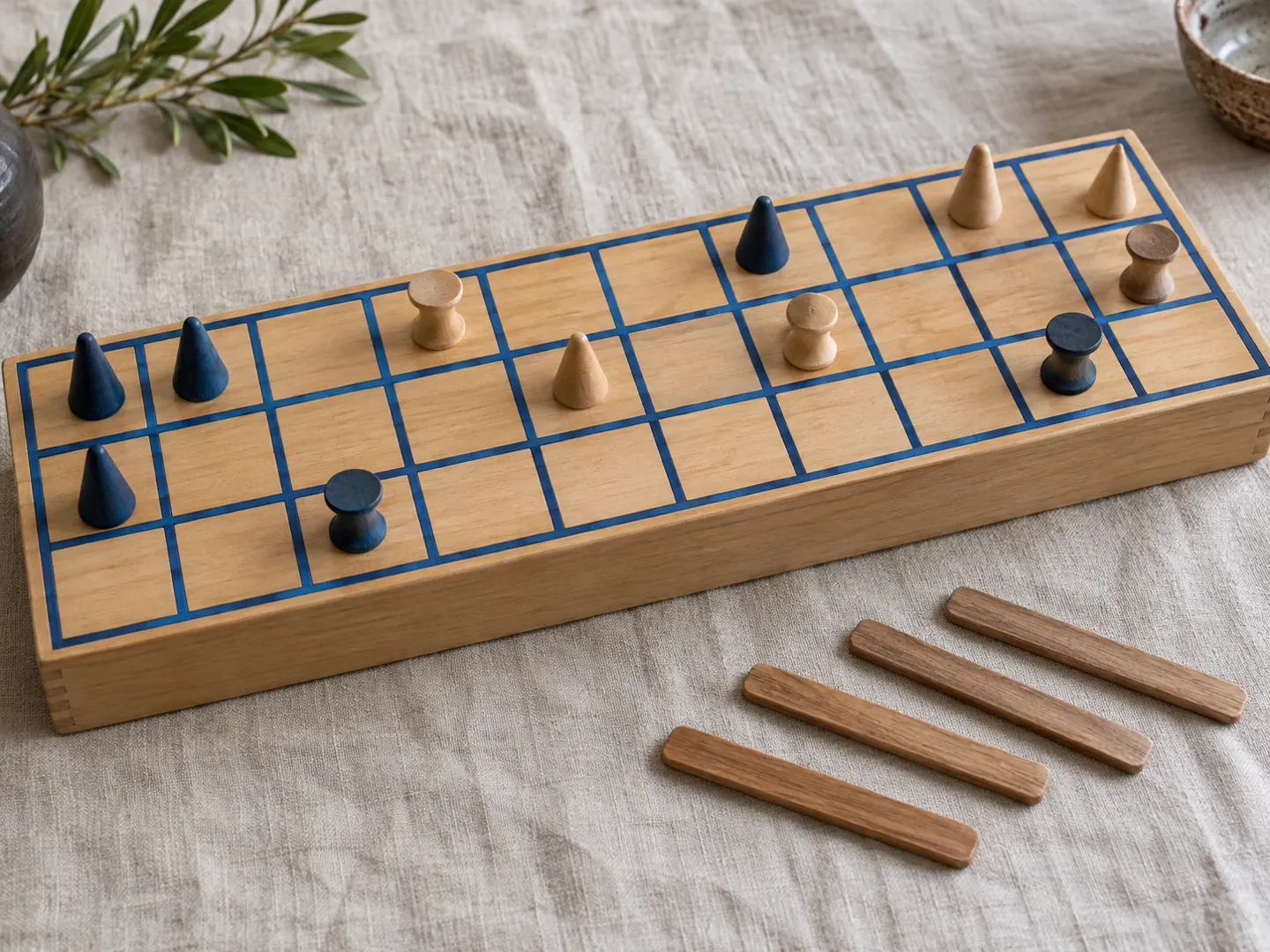
Senet was played on 30 squares in three rows of ten, with casting sticks or bones instead of dice. Later boards marked the final squares with special symbols.
See the numbersENGLAND
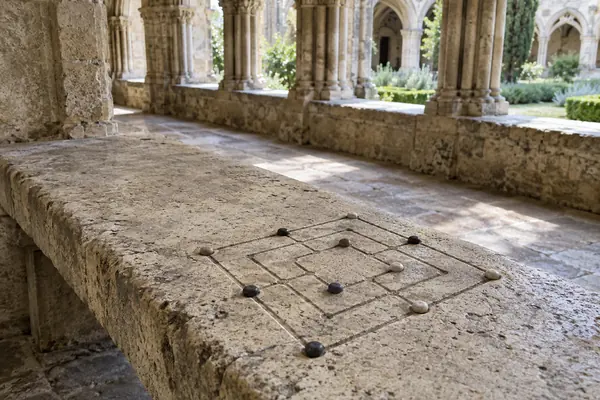
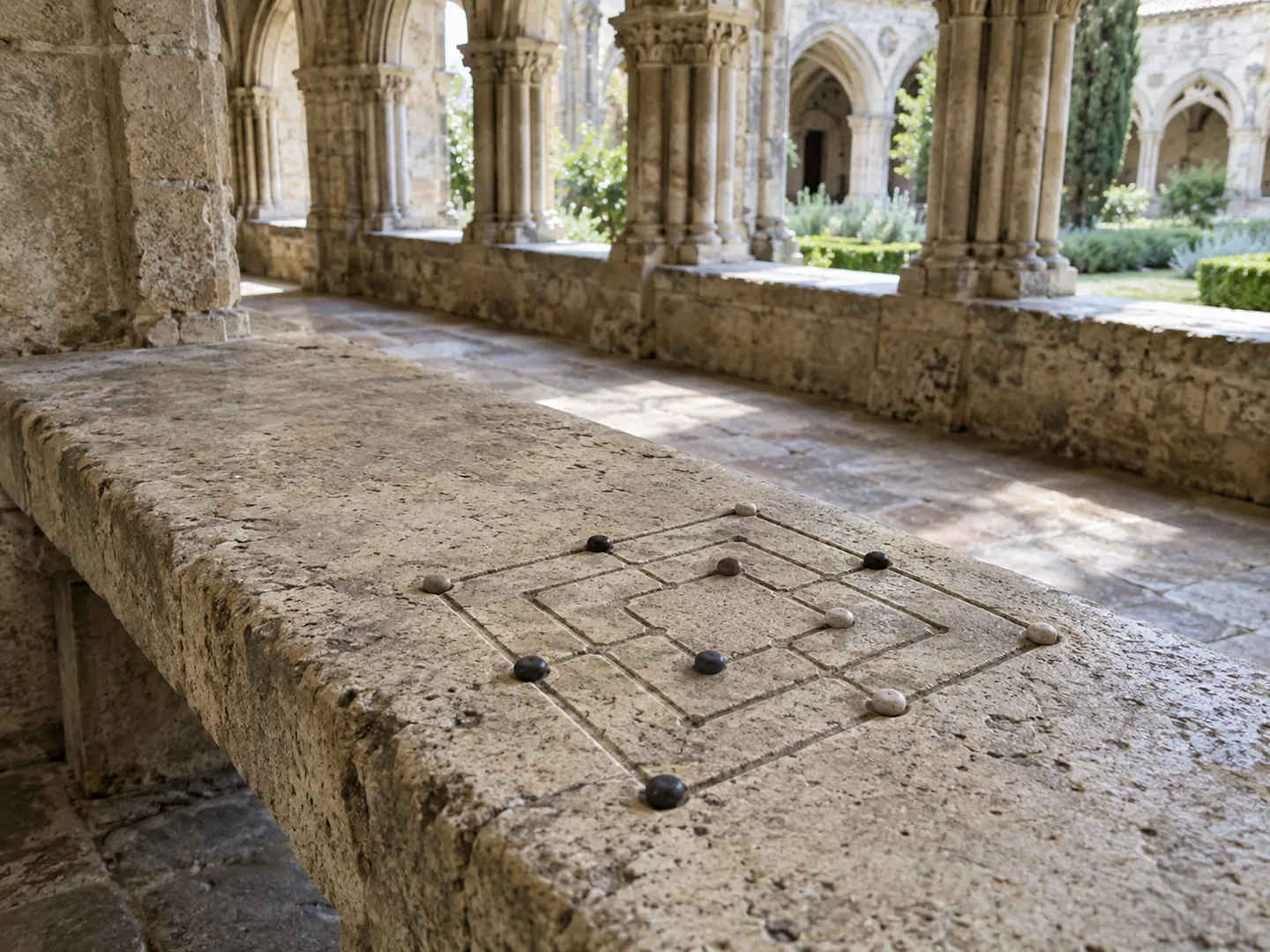
Nine Men's Morris was widely played in England by 1300, and boards are cut into cloister seats at cathedrals including Canterbury and Norwich.
Where to find themA QUICK GAME CHECK
Pick a game to see what survives and how it was played. The bar shows how confident historians are about the rules.
Based on the Smithsonian's guide to ancient board games, the Met's Senet box and the Online Guide to Traditional Games.
TWO NUMBERS WORTH KNOWING
One figure on how old Senet may be,
one on how far the Ur game spread.
SENET · SMITHSONIAN
Earliest suggested date of play
≈ 3100 BC
Archaeological and artistic evidence suggests Senet was played as early as 3100 BC, making it one of the earliest known board games.
TWENTY SQUARES · GAME HISTORIANS
Boards of the Ur family found
100+
More than one hundred boards of this family are known from ancient sites in Iraq, Iran, Israel, Syria, Jordan, Lebanon, Turkey, Cyprus, Egypt and Crete.
Game boxes often had two games: a Senet box at the Met, from a tomb at Abydos, is laid out for Senet on one side, and the underside would have held the game of 20 squares.
TRY IT AT HOME
Nine Men's Morris needs nothing more than a drawn board and eighteen counters, which is why it turned up on village greens and tavern tables.
WHERE TO SEE THEM
Visitors to the cathedrals of Norwich, Canterbury, Gloucester and Salisbury, and to Westminster Abbey, can see morris boards cut into the cloister seats. Shakespeare mentions 'the nine men's morris' filled up with mud in A Midsummer Night's Dream.
Boards scratched into stone are hard to date. Morris boards cut into the temple at Kurna in Egypt are often said to show an Egyptian origin, but game historians caution that such graffiti boards could have been carved much later than the building.
QUESTIONS PEOPLE ASK
Senet and Mehen from Egypt are among the earliest known, with evidence for Senet from around 3100 BC. The Royal Game of Ur was once thought to be the oldest, but older evidence exists for Senet and Mehen.
Two players raced pieces, usually five to seven each, along 30 squares in three rows of ten. They threw casting sticks or bones instead of rolling dice, and could block or send back an opponent's pieces.
Partly. A cuneiform tablet dated 177/176 BC gives rules for the later Twenty Squares form. How the much older Ur game was played, including the path pieces took, is still debated.
Boards are cut into the cloister seats at the cathedrals of Norwich, Canterbury, Gloucester and Salisbury and at Westminster Abbey.
Yes. It is known in England as morris, merrills or mill, and a version called Morabaraba is still played competitively in Botswana and South Africa.
SOURCES
Each figure on this page comes from the sources below. Check them for the full detail and context.